
Have you ever noticed that some painted walls stay fresh for years while others start peeling or fading after a short time? The difference is often not the paint itself. It is the preparation and application process.
A proper wall paint procedure in Dubai helps create a clean, attractive, and durable finish. Dubai’s weather can be challenging for painted surfaces. Heat, dust, humidity, and air conditioning can affect paint performance if the walls are not prepared correctly.
Whether you are planning to repaint your villa, apartment, office, or commercial property, understanding the right process can help you get better results and avoid costly repairs later.
In this guide, we will walk through every stage of the painting process, explain common mistakes, and share practical tips used by professional painters.
Why Proper Wall Paint Procedure in Dubai Matters
Many people focus on paint colors and finishes. Yet professional painters often spend more time preparing walls than actually painting them.
Wall preparation helps:
- Improve paint adhesion
- Create a smoother finish
- Reduce peeling and cracking
- Increase paint lifespan
- Improve color consistency
Research from Wall Paint Procedure in Dubai industry shows that surface preparation has a major impact on paint durability and overall appearance. A poorly prepared wall can lead to paint failure even when high-quality products are used.
For Dubai properties, proper preparation is even more important because walls face:
- High temperatures
- Fine dust particles
- Moisture in kitchens and bathrooms
- Strong sunlight on exterior surfaces
Understanding the Wall Paint Procedure in Dubai
The painting process involves several steps. Each step plays an important role in achieving a professional finish.
Step 1: Inspect the Wall Surface
Before painting begins, inspect the wall carefully. Look for:
- Cracks
- Damp patches
- Mold growth
- Flaking paint
- Nail holes
- Uneven plaster
Many Dubai homes develop small cracks due to building movement and temperature changes. Finding these issues early helps prevent future paint damage. A professional inspection can identify hidden moisture problems that may cause peeling later.
Step 2: Protect Furniture and Flooring
Professional painters always prepare the work area before opening a paint can. This includes:
- Covering furniture with plastic sheets
- Protecting floors with drop cloths
- Removing wall decorations
- Covering electrical outlets
- Applying painter’s tape around edges
This simple step keeps the property clean and reduces cleanup time.
Step 3: Clean the Walls
Dust and grease can prevent paint from bonding properly. Walls should be cleaned using:
- Mild detergent
- Warm water
- Soft cloths
- Sponges
Kitchen walls often collect oil residue from cooking. Even if the wall looks clean, hidden grease can affect paint performance.
Allow the wall to dry completely before moving to the next step.
Step 4: Remove Loose Paint
Old paint that is peeling or flaking must be removed. Painters usually use:
- Scrapers
- Putty knives
- Sanding tools
Wall Paint Procedure in Dubai over damaged paint layers can create bubbles and uneven surfaces. Removing weak paint helps create a stable base for the new coating.
Step 5: Repair Cracks and Holes
Wall damage should be repaired before painting. Common repairs include:
- Hairline cracks
- Nail holes
- Dents
- Small chips
Painters use wall filler or putty to repair these areas. After the filler dries, the surface is sanded until smooth. This step creates an even surface and prevents imperfections from showing through the paint.
Common Wall Problems and Their Solutions
| Problem | Cause | Solution |
|---|---|---|
| Peeling Paint | Moisture or poor preparation | Remove loose paint and apply primer |
| Hairline Cracks | Building movement | Fill cracks and sand smooth |
| Mold Growth | High humidity | Clean and treat affected area |
| Uneven Surface | Poor plaster work | Apply putty and sand |
| Bubbling Paint | Moisture trapped beneath paint | Fix moisture source first |
Step 6: Sand the Surface
Sanding is a key part of wall painting prep. Benefits of sanding include:
- Smoother finish
- Better paint adhesion
- Removal of rough spots
- Improved appearance
Professional painters typically use fine-grit sandpaper to create a uniform surface. After sanding, all dust should be removed before painting.
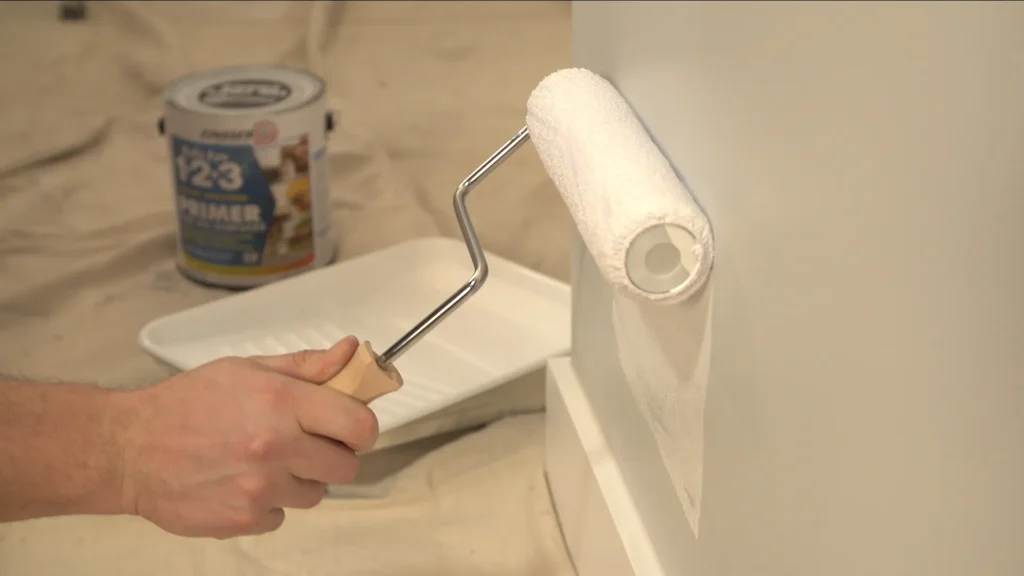
Step 7: Apply Primer
Many homeowners ask whether primer is necessary. The answer is usually yes. Primer helps:
- Seal the surface
- Improve paint bonding
- Hide stains
- Reduce paint absorption
Primer is especially useful when:
- Painting new walls
- Covering dark colors
- Repairing damaged areas
- Painting moisture-prone rooms
Professional painters rarely skip this step because it improves the final result.
Step 8: Choose the Right Paint
Selecting the right paint is important for long-term performance. For interior walls, popular options include:
- Acrylic emulsion paint
- Washable paint
- Low-odor paint
- Moisture-resistant paint
For exterior walls, painters often recommend:
- Weather-resistant coatings
- UV-resistant paint
- Heat-reflective paint
Different rooms may require different paint types. For example:
- Bathrooms need moisture-resistant coatings.
- Children’s rooms benefit from washable paint.
- Living rooms often use premium decorative finishes.
Step 9: Apply the First Coat
Once the primer dries, the first coat can be applied. Professional painters usually:
- Paint corners and edges with brushes.
- Use rollers for larger areas.
- Apply paint evenly.
- Maintain consistent coverage.
Many painters use a “W” rolling pattern to spread paint smoothly across the wall. At this stage, the color may appear uneven. This is normal.
Step 10: Allow Proper Drying Time
Patience matters during painting. Each coat must dry completely before another coat is applied. Drying times vary based on:
- Room temperature
- Humidity levels
- Paint type
- Ventilation
Rushing the process can lead to streaks, bubbling, and uneven finishes.
Step 11: Apply the Second Coat
Most professional painting projects require two coats. The second coat helps:
- Improve color depth
- Increase durability
- Create uniform coverage
- Improve washability
After the second coat dries, the wall typically achieves its final appearance.
A Real Example from Dubai
We recently worked with a homeowner who wanted to repaint a three-bedroom apartment. The walls looked fine at first glance, but during inspection we found:
- Hairline cracks
- Dust buildup
- Minor moisture marks
Instead of painting immediately, the walls were repaired, sanded, cleaned, and primed. The project took one extra day, but the final finish looked much smoother and more professional. Months later, the walls still looked fresh.
Wall Paint Procedure in Dubai .This example shows why preparation often determines the quality of the result.
Professional Wall Painting Prep Checklist
Before painting begins, make sure these tasks are completed:
✔ Inspect all walls
✔ Repair cracks and holes
✔ Remove old paint
✔ Clean surfaces thoroughly
✔ Sand rough areas
✔ Remove dust
✔ Apply primer
✔ Select suitable paint
✔ Allow proper drying time
✔ Apply two coats
Common Painting Mistakes to Avoid
Skipping Surface Preparation
Many paint failures occur because preparation was rushed.
Using Cheap Paint
Low-quality products may fade faster and require earlier repainting.
Ignoring Moisture Issues
Painting over damp walls often leads to peeling and mold growth.
Applying Thick Coats
Heavy coats can create drips and uneven drying. Thin, even layers usually produce better results.
How Long Does Wall Paint Last in Dubai?
A professionally painted wall can last between 5 and 8 years. Factors affecting lifespan include:
- Paint quality
- Surface preparation
- Exposure to sunlight
- Humidity levels
- Cleaning habits
Proper maintenance can help painted walls stay attractive for longer.
Benefits of Hiring Professional Painters
Professional painters provide:
- Detailed inspections
- Proper wall preparation
- High-quality tools
- Better finishing techniques
- Faster project completion
Many homeowners find that professional painting saves time and reduces future repair costs.
Final Thoughts
The wall paint procedure in Dubai involves much more than applying color to a wall. Inspection, cleaning, repairs, sanding, priming, and careful paint application all contribute to a lasting finish.
A well-prepared surface helps paint stay attractive for years, even under Dubai’s demanding climate conditions. By following the correct process and using suitable materials, homeowners can enjoy smooth, durable, and professional-looking walls throughout their property.
Frequently Asked Questions
1. What is the correct wall paint procedure in Dubai?
The process includes inspection, cleaning, repairs, sanding, priming, first coat application, drying, and second coat application.
2. Why is wall painting prep important?
It improves paint adhesion, durability, and finish quality.
3. How long should primer dry before painting?
Most primers require several hours, depending on the product instructions.
4. Can I paint directly over old paint?
Only if the existing paint is in good condition and properly cleaned.
5. How many coats of paint are recommended?
Two coats are generally recommended for best coverage.
6. What type of paint works best for Dubai homes?
Acrylic emulsion paints are widely used for interior walls.
7. How do painters repair wall cracks?
They use filler, sanding, and primer before painting.
8. How long does a painting project take?
Most apartments can be completed within one to three days.
9. Should walls be sanded before painting?
Yes, sanding creates a smoother surface and improves adhesion.
10. What causes paint peeling?
Moisture, poor preparation, and low-quality paint are common causes.
11. How often should walls be repainted?
Most interior walls need repainting every 5–8 years.
12. Can painting increase property value?
Fresh paint improves appearance and can make a property more appealing to buyers and tenants.